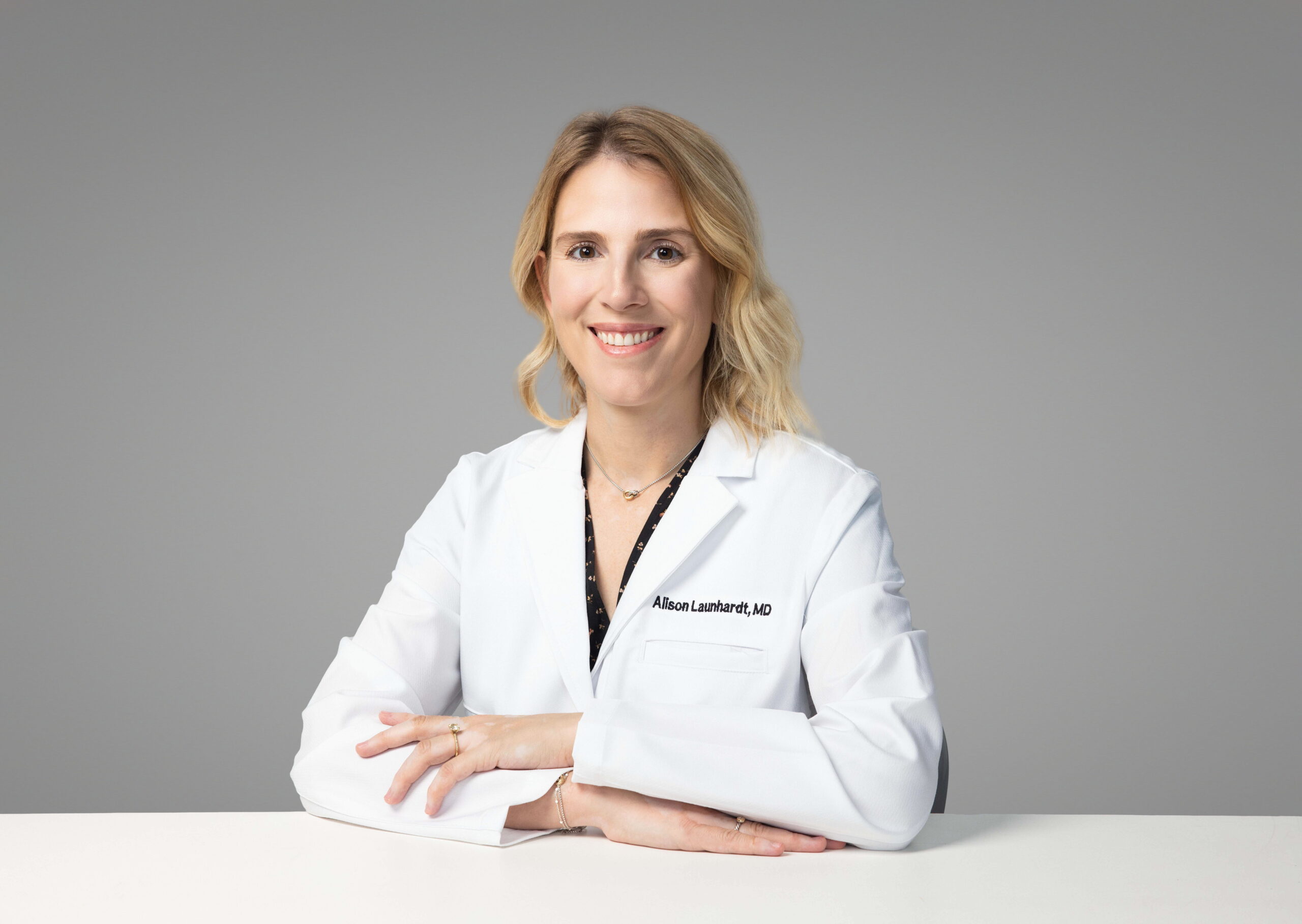
Posted on August 17, 2026

Q. What inspired you to pursue a career as a physician?
I grew up in a family of accountants, so medicine wasn’t something I was exposed to at home. Even so, I was always fascinated by the human body. As a child, I loved reading books about anatomy and was captivated by medical television shows. That curiosity only grew stronger in college, where I found myself increasingly drawn to science and patient care. By the time I graduated, pursuing a career in medicine felt like the perfect way to combine my love of science with the opportunity to make a meaningful difference in people’s lives.
Q. What are your specialties?
I specialize in medical dermatology, including skin cancer screening, diagnosis, and treatment. I also care for patients with a wide range of skin conditions, including rashes, eczema, psoriasis, acne, rosacea, and diseases of the hair and nails. My goal is to provide personalized care that helps patients achieve healthier skin, understand their diagnosis, and feel confident in their treatment plan.
Q. What are some of the highlights of your career?
One of the most rewarding parts of my career has been building lasting relationships with my patients and having the opportunity to care for them over many years. It’s incredibly fulfilling to see their skin conditions improve and to know I’ve played a role in helping them feel healthier and more confident.
Another highlight has been witnessing the remarkable advances in dermatology. Many conditions that were once difficult, or even impossible, to treat now have highly effective therapies. It’s exciting to be able to offer these advances to my patients and see the positive impact they have on their quality of life.
Q. What are three things a patient can do to maintain healthy skin?
Protect your skin from the sun. Daily sunscreen, seeking shade, wearing protective clothing, and avoiding excessive sun exposure are some of the most important things you can do to keep your skin healthy and reduce your risk of skin cancer.
Take care of your overall health. Healthy skin reflects a healthy body. Eating a balanced diet, exercising regularly, staying hydrated, getting enough sleep, and avoiding tobacco all contribute to healthier skin.
Don’t ignore changes in your skin. If you notice a new or changing mole, a persistent rash, or a spot that won’t heal, schedule an appointment with a dermatologist. Early evaluation often leads to simpler and more effective treatment.
Q. What do you include in your own skin care regimen?
I keep my routine simple and consistent. Every morning I apply sunscreen to my face and neck, and if I’m spending extended time outdoors, I wear sun-protective clothing, including a sun shirt and a wide-brim hat. Consistency is much more important than having an elaborate skincare routine.
Q. What are the most common procedures you perform? What are the ones you most commonly recommend?
One of the most important services I provide is skin cancer screening. I can’t emphasize enough how valuable regular skin exams can be, especially for patients with fair skin, a history of significant sun exposure, a family history of skin cancer, or a personal history of skin cancer. Detecting skin cancer early can make treatment much simpler and more successful.
I also see these visits as an opportunity to educate patients about their skin, answer their questions, and help them understand what changes to watch for between appointments.
Q. What do you like to do for fun?
I love spending time with my husband, who is a cardiologist, and our two daughters. We also enjoy spending time with my sister and her family, who live nearby. Outside of work, I enjoy planning vacations, weight lifting, reading, and playing board games and card games with family and friends.
Q. What makes you want to head to work every day?
I genuinely enjoy taking care of my community. My goal is for every patient to feel heard, respected, and confident that they understand their diagnosis and treatment plan before they leave the office. Helping people improve their skin, educating them about their condition, and building long-term relationships with my patients is what motivates me every day.